
In partnership with GIZ Ethiopia and Djibouti through the Ethiopian-German Energy Cooperation, the Ethiopian Women in Energy Association (EWiEn) conducted four thematic workshops throughout 2026. The series created platforms for dialogue, knowledge exchange, networking and collaboration on issues shaping women’s participation and leadership in Ethiopia’s energy sector.
The workshops brought together government representatives, energy professionals, private-sector actors, financial institutions, development partners, civil society organisations, researchers and entrepreneurs. Discussions explored women’s economic participation, digital transformation, inclusive infrastructure, workforce development and career advancement.
1. Women-Led PUE Growth Across Urban and Rural Ethiopia
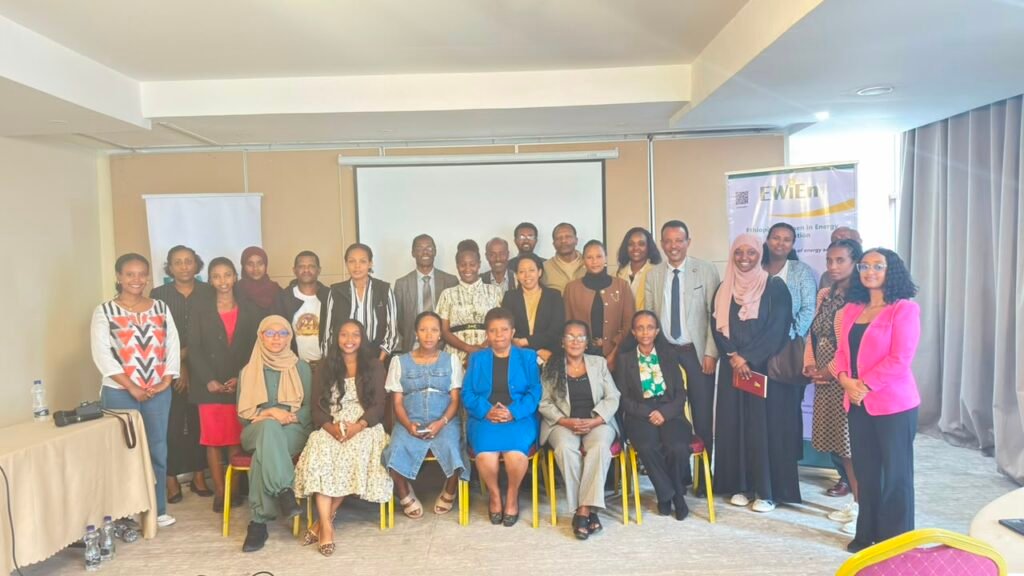
30 June 2026 | Addis Ababa
The first workshop examined how productive use of energy (PUE) can create economic opportunities for women and support inclusive growth in urban and rural areas. Participants considered practical approaches to strengthening women-led PUE businesses, including access to finance, markets, appropriate technologies, business knowledge and technical support.
Amen Girma, EWiEn Programme Coordinator, opened and moderated the workshop. Hanna Andargachew, EWiEn General Manager, delivered welcome remarks, followed by opening remarks from Samson Tolessa, Project Leader at GIZ Ethiopia-German Energy Cooperation. Tesfaye Habtamu of Meseret Mare Solar Importer & Installer PLC presented on “Women, Energy, Enterprise: Catalyzing Inclusive Economic Growth in Ethiopia,” sharing perspectives on market opportunities, financing challenges, business risks and pathways for sustainable growth.
A panel moderated by Metshet Tsega of ADRA Ethiopia featured Netsanet Behailu of NBK Consulting Engineers, Petros Moges of Dashen Bank and Netsanet Taye of NARAN Africa/EWiEn. The discussion explored access to finance, productive markets, business and technical capacity, investment readiness, partnerships and the conditions needed to scale women-led PUE enterprises.
The workshop highlighted that energy access alone is not enough. Women entrepreneurs also need finance, suitable technologies, market connections, business skills, technical support and an enabling policy environment.
2. Emerging Economic Opportunities for Ethiopia’s Digital Economy
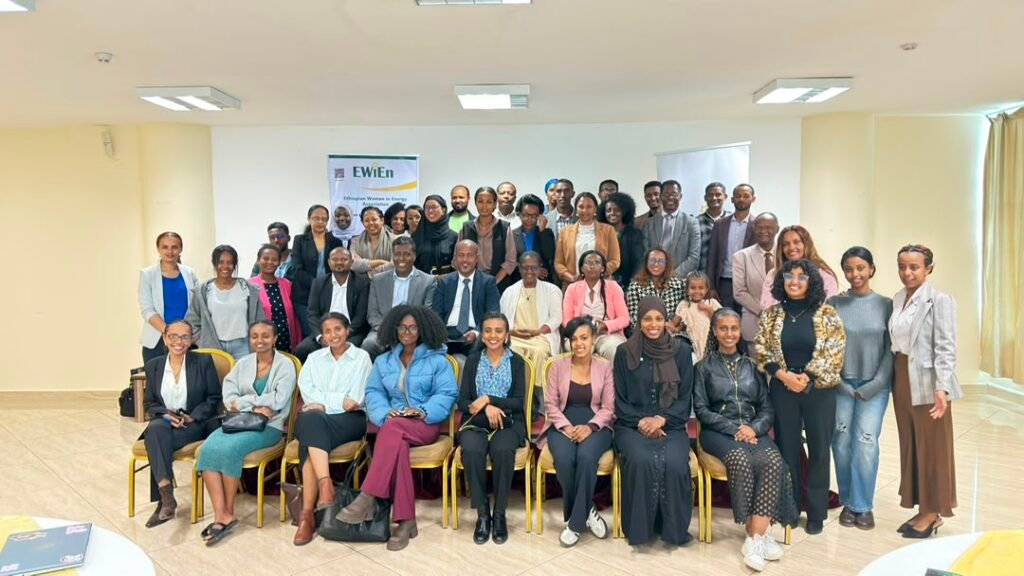
30 July 2026 | Addis Ababa
The second workshop explored the relationship between reliable energy, digital transformation and economic opportunities for women and young people. As Ethiopia advances initiatives such as the Digital Ethiopia 2030 Strategy, dependable, clean and affordable energy remains an important foundation for e-commerce, remote work, fintech, digital services and entrepreneurship.
Amen Girma welcomed participants and introduced the workshop objectives. Bezawit Mesfin, Advisor at GIZ and EWiEn Executive Committee Member, delivered opening remarks. Wondimu Woldemichael Wana of Kifiya Financial Technology presented on the relationship between energy reliability and digital productivity.
A panel moderated by Ato Yonas Ayele, an analyst specialising in energy policy, utility performance and financial inclusion, featured Tekalign Samuel of Ethio Telecom, Filagot Tesfaye Woldeselassie of ON Energy Consult and Bethlehem Yilma of Ethiopian Electric Utility. The discussion considered reliable energy for digital businesses, opportunities for women and youth, digital skills, technology access, finance, innovation and collaboration between the energy and ICT sectors.
The workshop emphasised that digital transformation depends not only on digital infrastructure and innovation, but also on reliable and affordable energy. Stronger links between energy, ICT, finance, education and entrepreneurship are important to broaden opportunities for women and young people.
3. Supporting Ecosystems and Enabling Infrastructure: Safe and Inclusive Energy Infrastructure
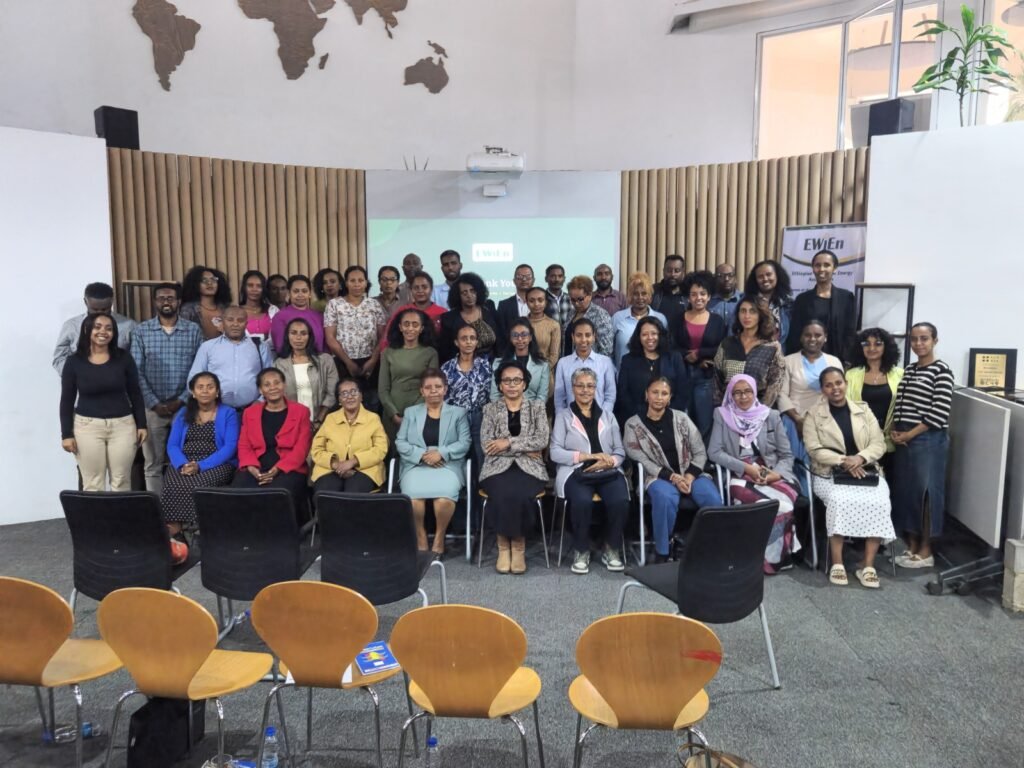
17 September 2026 | Addis Ababa
The third workshop brought together stakeholders from energy, urban development, infrastructure, architecture, engineering, government, research and development. It explored the relationship between energy development and urban planning, with particular attention to energy efficiency, accessibility, resilient infrastructure and public spaces.
The workshop opened with remarks from Amsalu Hundie, Gender Specialist at the Ministry of Water and Energy. Amen Girma introduced the session and highlighted the importance of cross-sector collaboration. She also presented EWiEn’s profile, mandate, mission, objectives and initiatives, including its work in capacity building, networking, mentorship, advocacy and knowledge sharing.
A panel moderated by Dr. Zenebe G/Egziabher of the Policy Studies Institute featured Rukia Seid of the Ministry of Urban and Infrastructure, Habtamu Getachew of the Association of Ethiopian Architects and Linda Lapiso Dilebo, a licensed green building professional and electrical engineer. The discussion covered energy efficiency in buildings, green and resilient infrastructure, urban safety and public lighting, inclusive design, accessibility and gender-responsive urban planning.
Participants highlighted the importance of translating policies and standards into practical demonstration projects, capacity development, behavioural change and scalable solutions. The discussions reinforced the value of collaboration among public institutions, professionals, researchers, development partners and private-sector actors.
4. Workforce Development and Career Pathways in the Energy Sector
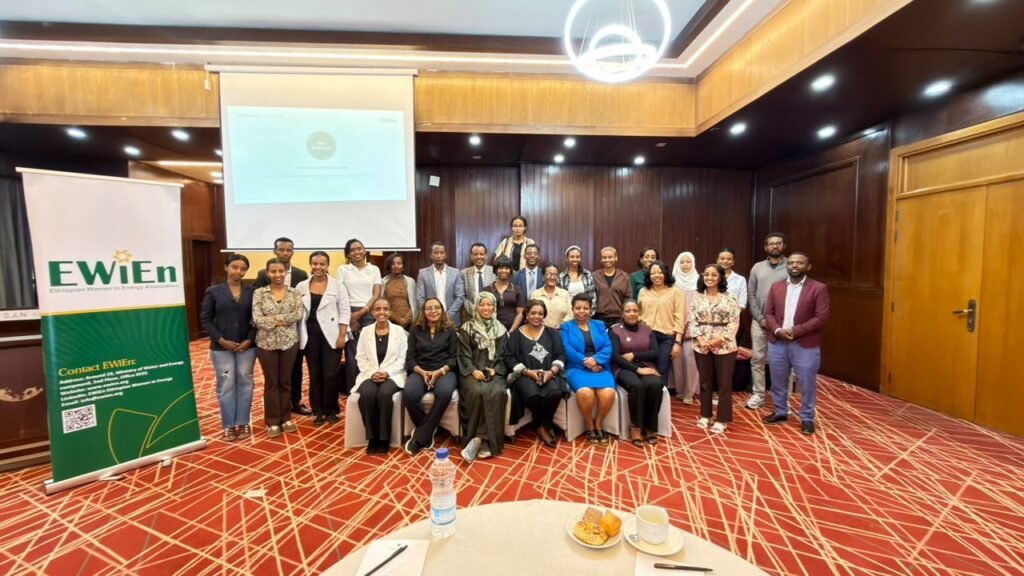
22 October 2026 | Addis Ababa
The fourth workshop focused on skills development, career pathways, leadership, employment opportunities and women’s participation in Ethiopia’s energy workforce. It provided a platform to discuss how the country can build a skilled and inclusive workforce capable of responding to a changing energy landscape.
Amen Girma opened and moderated the programme. Amsalu Hundie, Senior Gender Specialist for the ADELE Project at the Ministry of Water and Energy, delivered a technical presentation on workforce development, career pathways and opportunities for a more inclusive energy workforce. The presentation considered changing skills requirements in areas such as renewable energy, grid modernisation and decentralised energy solutions.
A panel moderated by Fitsum Kidanemariam of the Association of Women in Boldness (AWiB) featured Birhanu Adere of the Ministry of Labor and Skills, Selamawit Sleshi of Selam Engineering and Yordanos Assefa of the Petroleum and Energy Authority. Topics included alignment between education and labour-market needs, practical learning, internships, occupational standards, employer engagement, gender stereotypes, mentorship, workplace conditions and career progression.
The discussions emphasised that stronger links between educational institutions, employers, government, professional associations and development partners are needed to bridge the gap between education and employment. Increasing women’s participation requires not only technical skills, but also supportive workplaces and institutional environments.
A shared direction
Across the four workshops, a common message emerged: advancing women’s participation and leadership in Ethiopia’s energy sector requires collaboration across institutions, sectors and levels of the value chain. From women-led PUE and digital entrepreneurship to safe infrastructure and workforce development, the discussions highlighted the links between energy, economic opportunity, skills, infrastructure and gender equality.
Through the series, EWiEn continues to provide platforms for stakeholders to exchange knowledge, build professional networks, identify practical solutions and strengthen collaboration toward a more inclusive and sustainable energy sector.
