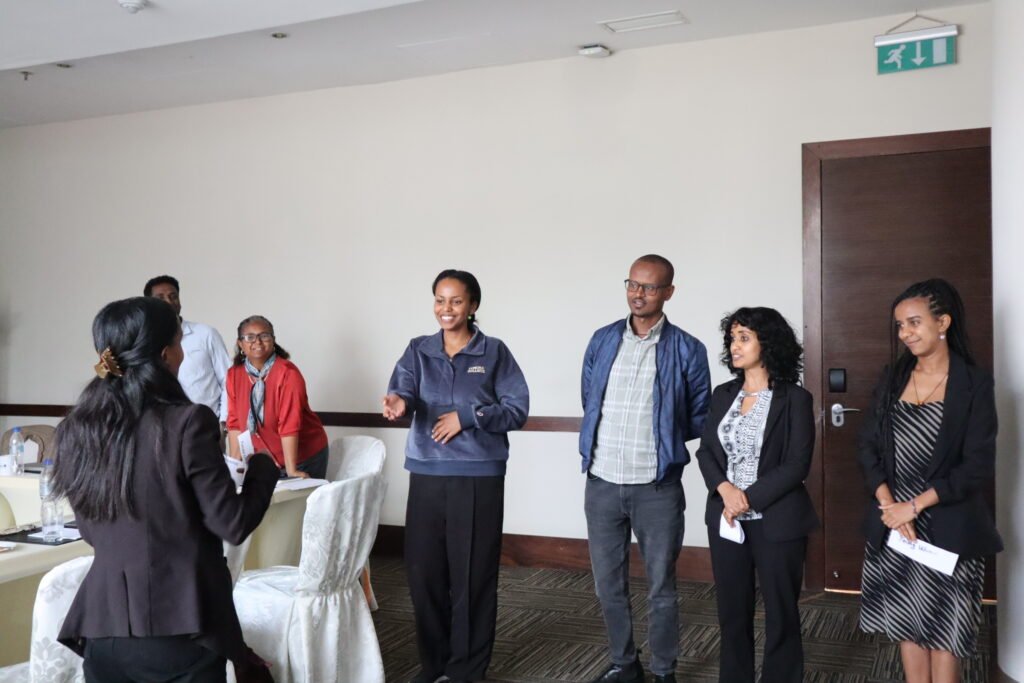
Learning, reflection and knowledge sharing help development programmes respond to the needs of the communities they serve. Through the Energizing Women and Youth in Agrifood Systems (EWAS) Programme, the Ethiopian Women in Energy Association (EWiEn) has facilitated learning agenda sessions to strengthen gender integration, institutional accountability and the effectiveness of productive use of energy (PUE) interventions.
Building a culture of continuous learning
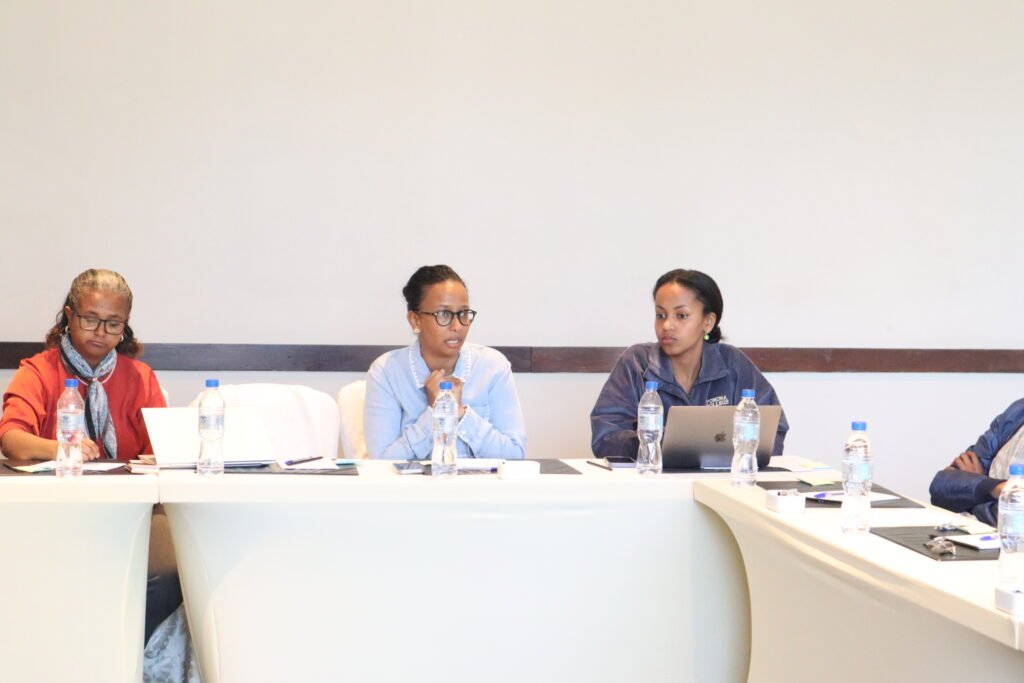
The first quarterly Learning Agenda Discussion brought together Gender Support Group focal persons from EWAS implementing partners to review programme learning priorities and identify opportunities to improve implementation. Participants emphasised the importance of treating learning as an ongoing process rather than an activity conducted only at the end of a project. Documenting emerging challenges, capturing field experiences and using evidence to inform programme adjustments were identified as important elements of adaptive management.
A workshop on gender accountability
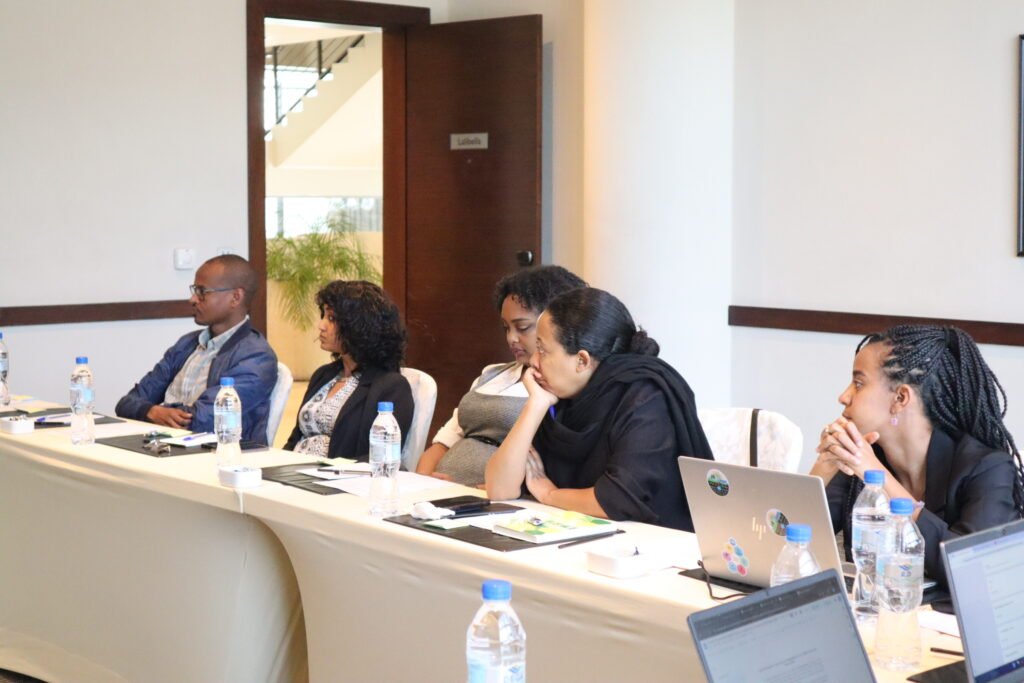
EWiEn subsequently facilitated the first quarterly learning workshop, bringing together implementing partners ATI, SPX and VERITAS to reflect on implementation experiences, identify persistent challenges and strengthen institutional accountability for gender equality and safeguarding across PUE programmes.
Drawing on monthly Gender Support Group meetings, implementation discussions and follow-up on gender and safeguarding action plans, participants explored three learning questions: the cost of failing to integrate gender equality and gender-responsive budgeting; the capacity gaps that arise when partners and local actors are not adequately supported; and the barriers that prevent gender commitments, policies and safeguarding materials from being translated into practice.
Making learning practical
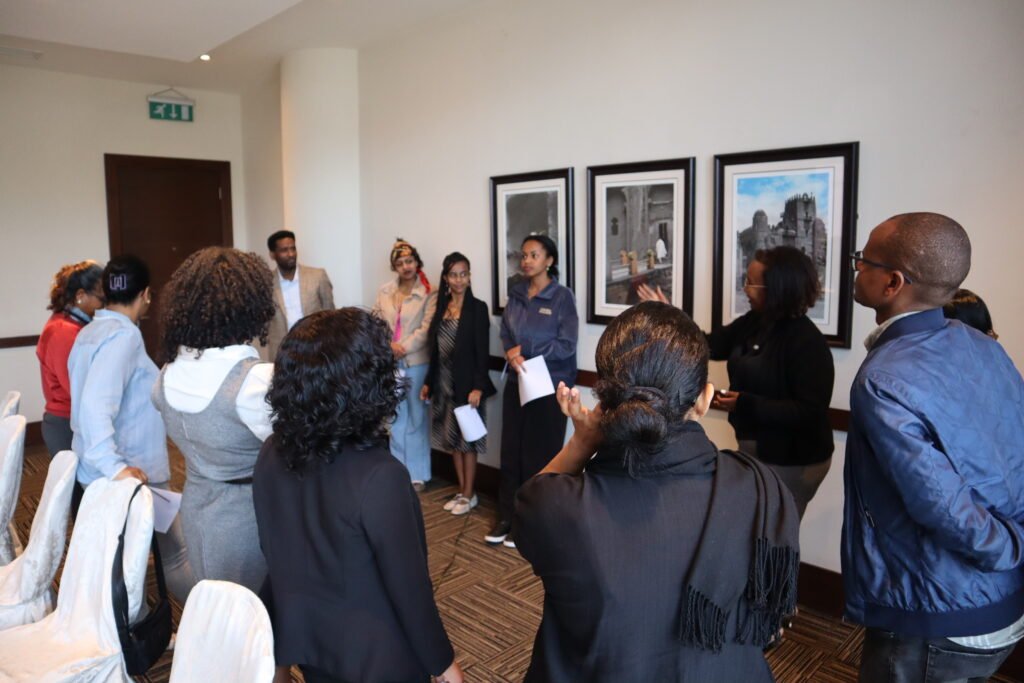
The workshop used interactive approaches including Problem Tree Analysis, Vote with Your Feet, But Why? and Traffic Light exercises. These methods helped participants examine root causes, challenge assumptions, reflect on institutional responsibilities and identify practical actions.
Issues identified included insufficient prioritisation of gender equality during project design, limited understanding of the structural causes of gender inequality, misconceptions that equate women’s participation with meaningful empowerment, and inadequate budgets and institutional capacity.
A key conclusion was that gender equality cannot be achieved through participation targets, policies or action plans alone. It requires intentional planning, adequate resources, strengthened capacity, consistent follow-up and accountability. EWiEn and its implementing partners reaffirmed their commitment to translating the learning into organisational action.